
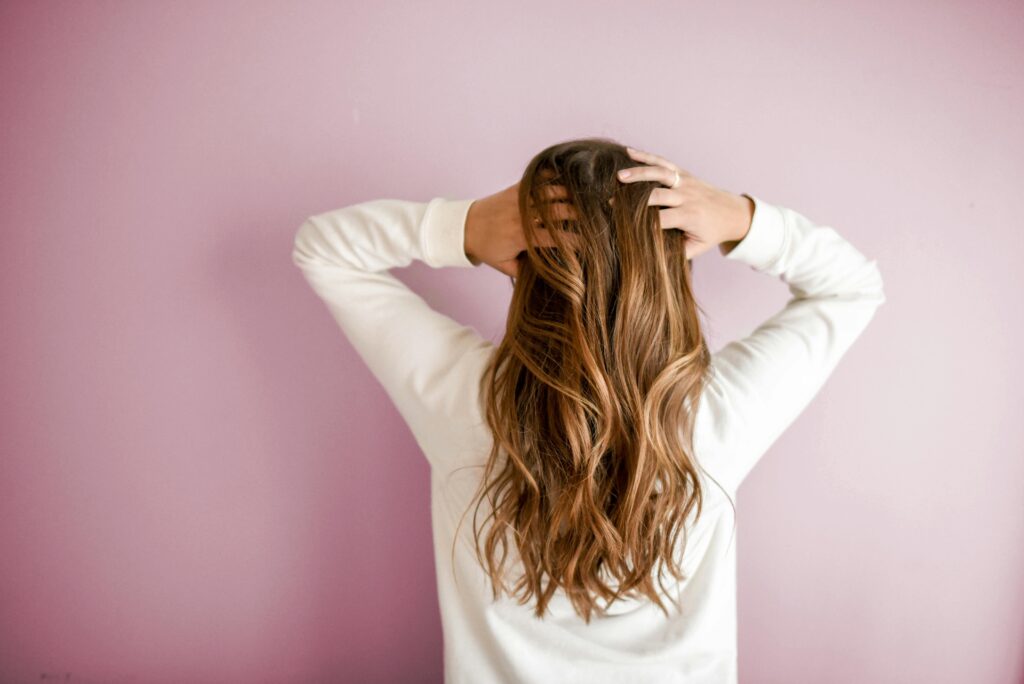
Hair loss is one of the most common beauty concerns today. Stress, pollution, genetics, hormonal changes, and poor lifestyle habits can all contribute to thinning hair. While there is no guaranteed “permanent” cure for every individual, you can significantly reduce hair fall, improve hair growth, and prevent future damage with the right habits and treatments.
Here’s a complete guide to understanding and controlling hair loss effectively.
1. Identify the Root Cause
Hair loss happens for many reasons. Before trying remedies, it’s important to understand what’s causing yours. Common causes include:
- Genetics
- Hormonal imbalance
- Stress and anxiety
- Poor diet
- Thyroid issues
- Dandruff or scalp infections
- Chemical treatments
- Vitamin deficiencies
If hair loss is sudden or severe, it’s best to seek professional medical advice to rule out underlying conditions.
2. Maintain a Healthy Scalp
A healthy scalp = healthy hair. If your scalp is oily, dry, itchy, or flaky, it can affect hair growth.
How to care for your scalp:
- Use a mild, sulfate-free shampoo
- Avoid excessive heat styling
- Keep your scalp clean but not overwashed
- Use anti-dandruff formulas if you have flakes
- Avoid tight hairstyles that pull on the roots
Regular scalp care improves circulation and strengthens hair follicles.
3. Follow a Nutrient-Rich Diet
Your hair reflects your nutrition. A balanced diet helps reduce shedding and supports new growth.
Hair-boosting foods:
- Eggs (Protein + Biotin)
- Spinach (Iron)
- Almonds & Walnuts (Vitamin E)
- Fish (Omega-3 fatty acids)
- Beetroot & Carrots (Vitamin A)
- Lentils (Protein + Zinc)
Stay hydrated to keep the scalp moisturized.
4. Reduce Stress Levels
Stress is one of the most common triggers of hair fall.
To manage stress:
- Practice yoga or meditation
- Take short breaks during work
- Sleep 7–8 hours daily
- Spend time in nature
Relaxed mind = healthier hair cycle.
5. Use Natural Oils Regularly
Oiling nourishes the scalp and stimulates the roots.
Best oils for hair growth:
- Coconut oil
- Castor oil
- Rosemary oil (mixed with a carrier oil)
- Almond oil
- Olive oil
Warm the oil slightly and massage your scalp for 5–10 minutes to boost blood flow.
6. Avoid Overuse of Chemicals & Heat
Excessive salon treatments weaken your hair.
Try to limit:
- Hair straightening
- Perming
- Bleaching
- Excessive coloring
- Daily heat styling
Let your hair breathe naturally whenever possible.
7. Use Strengthening Hair Masks
Natural masks help reduce breakage and promote shine.
Some effective options:
- Aloe vera gel + coconut oil
- Egg + yogurt
- Fenugreek (methi) paste
- Banana + honey
Use a mask once a week for noticeable improvement.
8. Choose the Right Hair Products
Choosing incorrect shampoos and conditioners can worsen hair fall.
Look for:
- Sulfate-free
- Paraben-free
- Mild formulas
- Strengthening ingredients like biotin, keratin, or caffeine
Avoid products loaded with strong fragrances or harsh chemicals.
9. Consider Evidence-Based Treatments (If Needed)
If natural methods aren’t helping, advanced treatments may support hair growth depending on your condition.
Common professional options include:
- PRP (Platelet-Rich Plasma) therapy
- Low-level laser therapy
- Dermatologist-prescribed topical solutions
- Hair growth supplements (only under professional guidance)
These are optional, and suitability depends on individual needs.
10. Be Consistent
Hair growth is slow and depends on your lifestyle. Real improvement may take 8–12 weeks, depending on the cause. Consistency is the most important factor.
Can Hair Loss Be Stopped Permanently?
It depends on:
- The cause (genetic vs. lifestyle-related)
- Your age
- Your hormonal balance
- Your scalp health
- Your consistency with care
Most lifestyle-related hair loss can be greatly improved and controlled, while genetic hair loss can be managed but not entirely stopped. Early care always gives the best results.
Final Thoughts
Stopping hair loss for good requires a combination of healthy habits, scalp care, proper nutrition, and stress management. Start with simple lifestyle changes, nourish your scalp regularly, and choose products that support hair health. And if hair fall is severe, consulting a professional can help you find the most effective solution.
Healthy hair takes time, but with the right routine, you can see strong, thick, and shiny hair again.